Water & the Brain: How Hydration Shapes Cognition, Cellular Signaling, and Healing
Hydration affects focus, mood, sleep, and inflammation more than most people realize. This post explores the “4th phase” of water, why minerals matter, how to make structured water with Celtic salt, and why plastic bottles can add microplastics you don’t want.
Most of us don’t think very much about water. We drink it when we’re thirsty, forget about it when we’re busy, and maybe remind ourselves to “drink more” when we feel tired or get a headache. But inside the body, water is doing far more than quenching our thirst. It is quietly shaping how we think, how we feel, how we heal, and how our nervous system responds to the world.
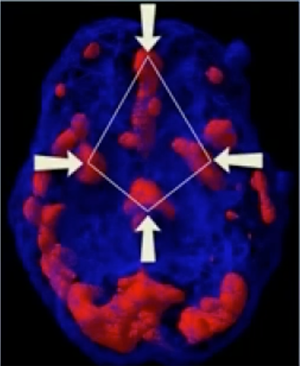
Water is constantly active in the body. Before a thought forms, nerves fire, or the brain decides whether something feels safe or stressful, water is already working. It carries nutrients, cushions the brain, conducts electrical signals, and regulates temperature. Nearly three-quarters (75%) of the brain is water. Blood is mostly water. Cerebrospinal fluid, the fluid that bathes the brain and spinal cord, is water. Every message sent through the nervous system depends on it.
And yet, hydration is one of the most overlooked foundations of health.
Even mild dehydration, so mild you may not feel thirsty, can affect how clearly you think. It is often revealed in small signs of lost focus, unreliable memories, or increases in emotional sensitivity.
Many people interpret this as anxiety, brain fog, or simply “having an off day,” without realizing that the brain may be struggling to function in a less-than-ideal internal environment.
What’s even more fascinating is that water inside the body doesn’t behave the same way it does in a glass.
Addiction isn’t a moral failing—it’s the nervous system in survival mode. This narrative explores how trauma, inflammation, and neurochemistry drive addictive behaviors, and how FSM can calm withdrawal, reduce cravings, and help the body finally feel safe again.
If you’re taking medication for anxiety but still feel tense, wired, or unable to fully relax, this post explains why anxiety often lives in the nervous system—and how gentle Quantum (FSM) sessions can support calm, sleep, and resilience.
Discover how to live in the Kingdom of God now by developing spiritual ears to hear and eyes to see. Gain insight into the nature of the Kingdom and how to apply Jesus' parables in your life.
Disclaimer: WayMakerz is a faith-based wellness center. We do not diagnose or treat mental disorders. Services are provided by licensed wellness providers under independent contract.